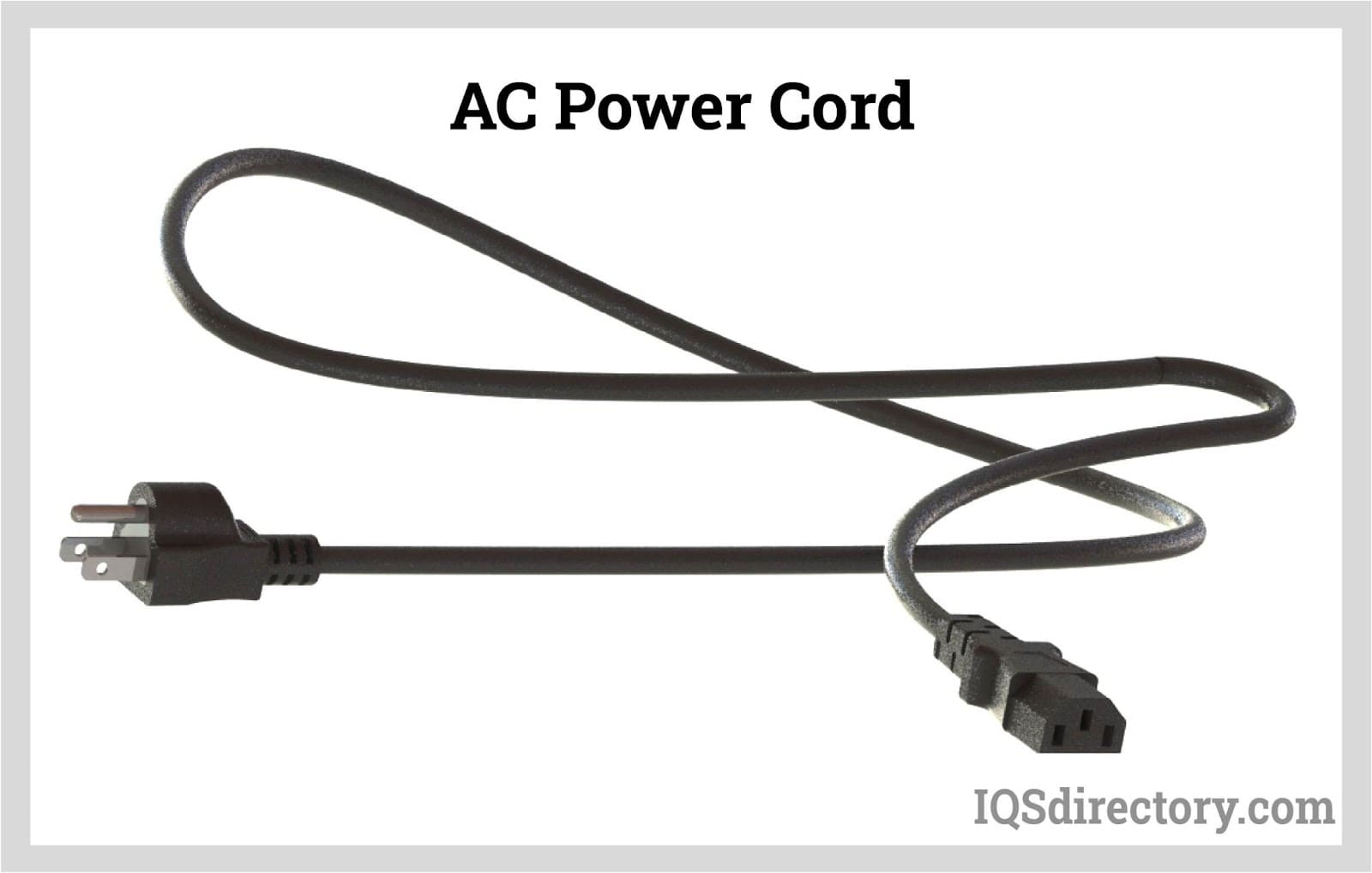
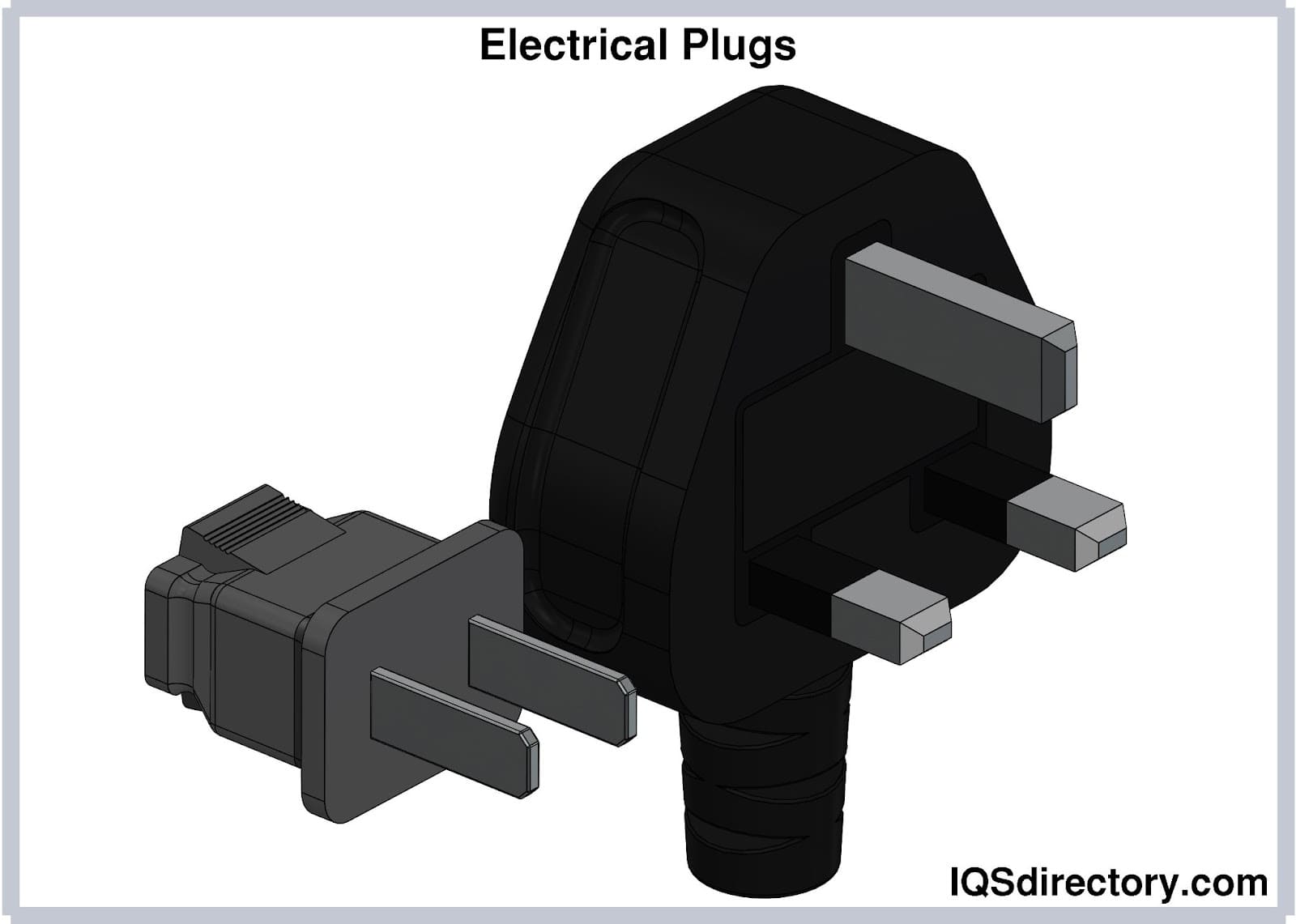
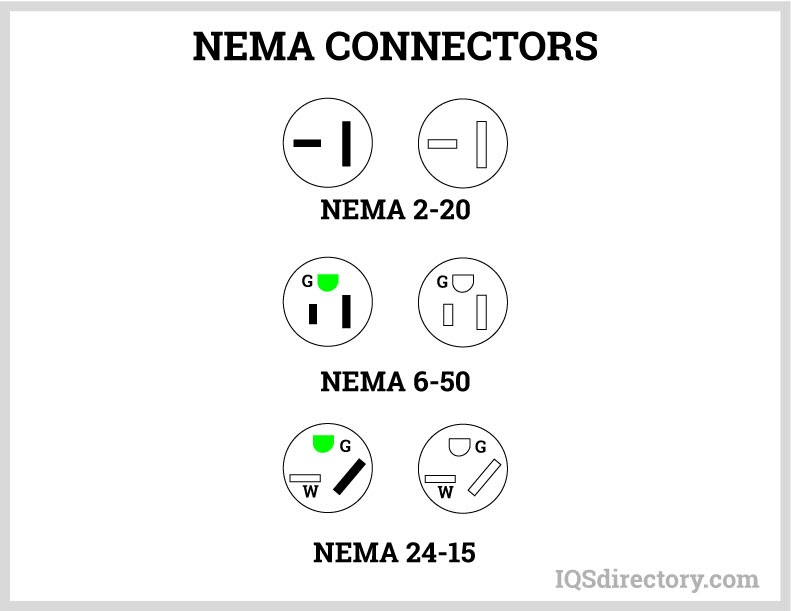
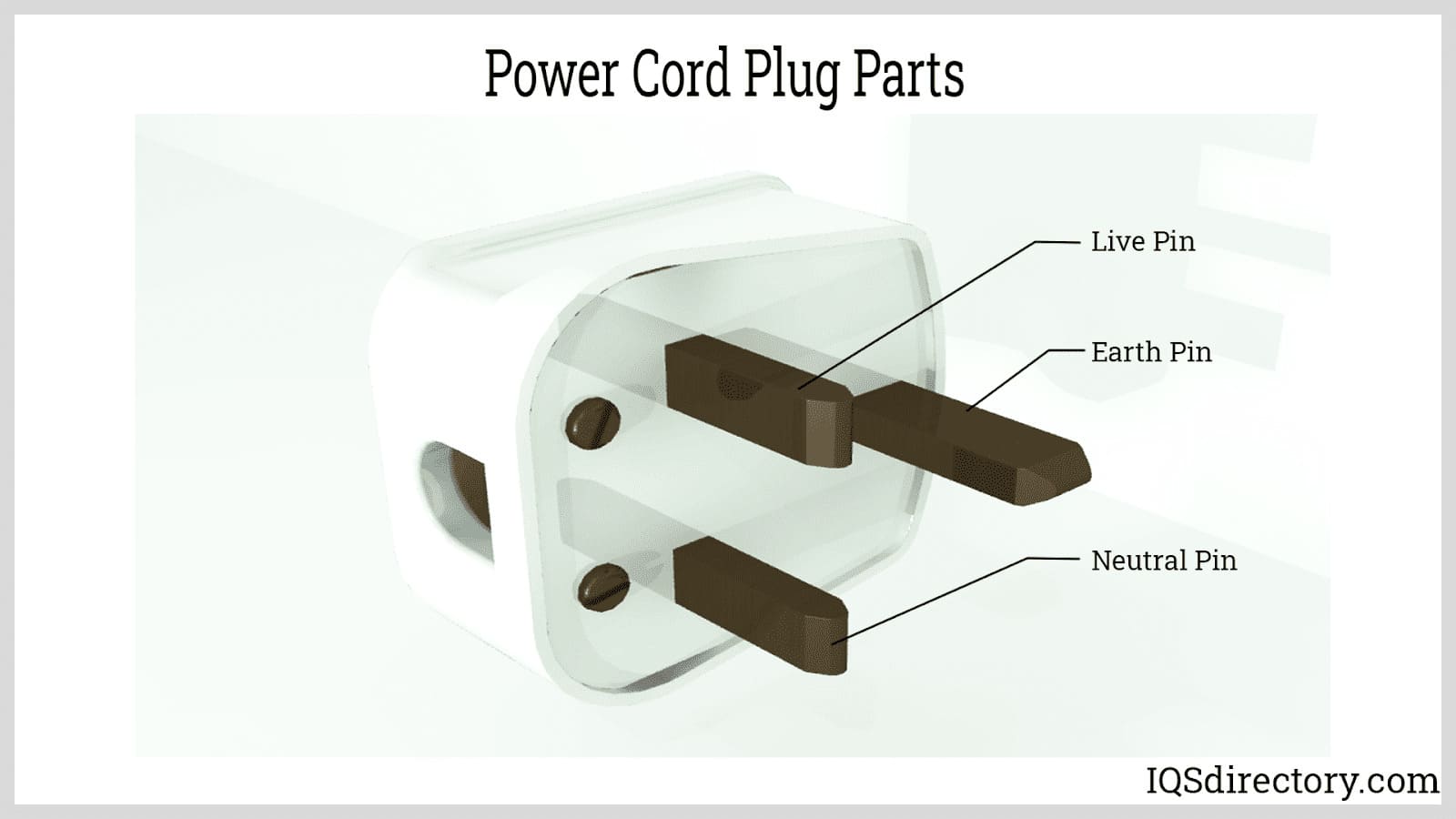
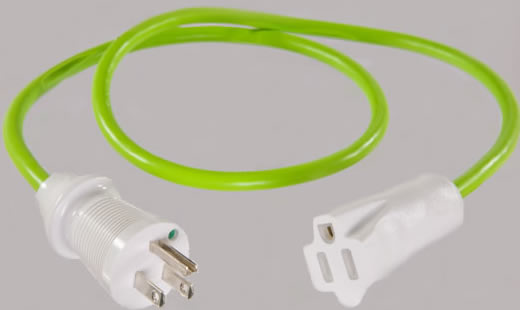
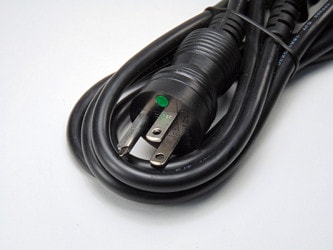
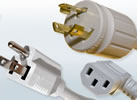
A flexible electrical wire with a plug on one end and sockets on the other is known as an extension cord. The phrase can also apply to extensions for other forms of cabling. If the primary cable fails, an extension cord is utilized to connect the electrical cord to the outlet. Read More…
Our customers find we have the highest standards when it comes to quality, and delivery. Quail Electronics is a worldwide power cord supplier, offering power cords and various other products.
All of our power cords are tested and stand up to rigorous demands of everyday application. We serve a global market including the United Kingdom, Ireland, Germany, Switzerland, Austria and of course the United States.
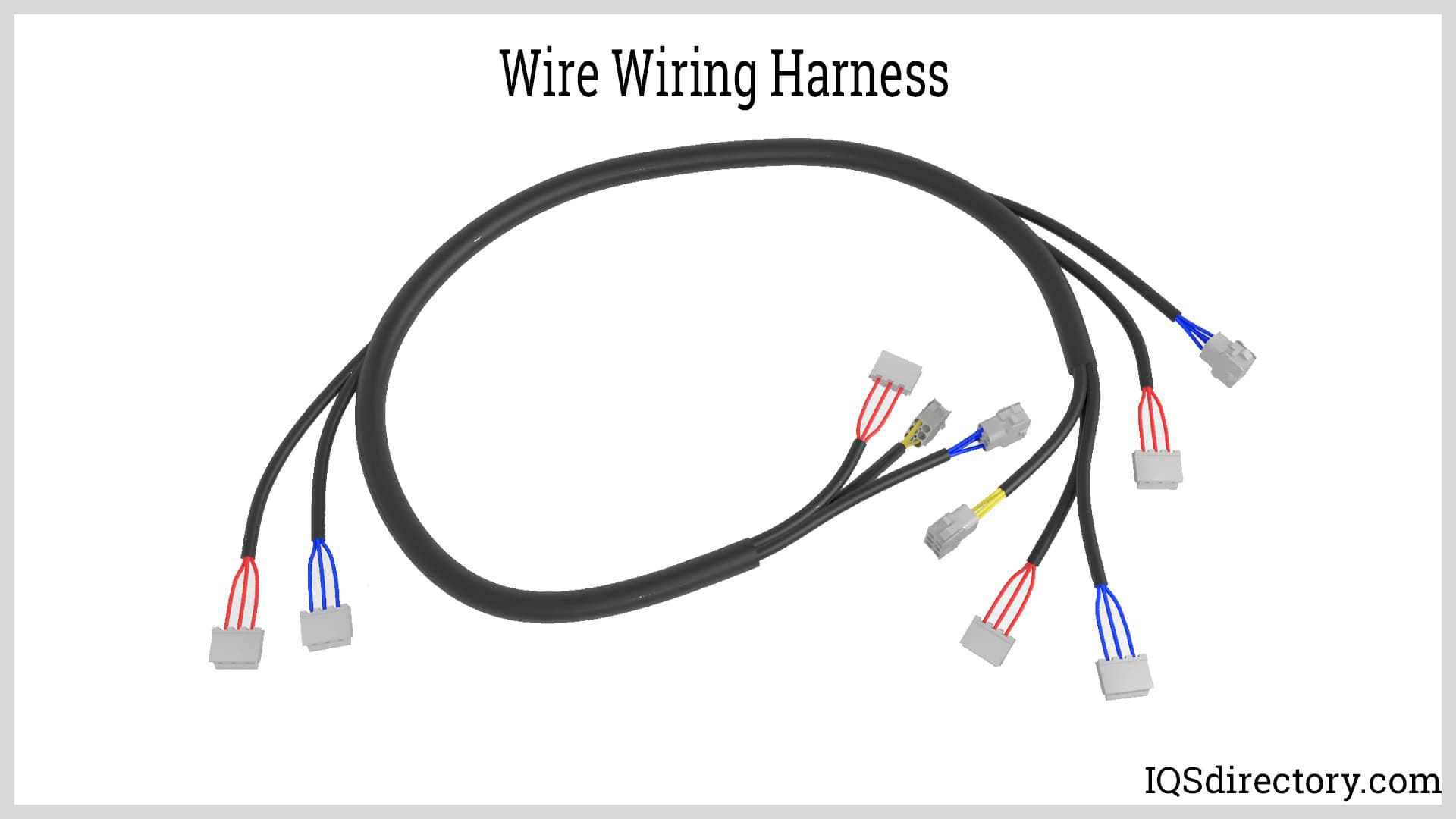
US Cordset Manufacturing provides power-supply products to various categories of customers from domestic to industrial. Our line of products include wiring harnesses, Coiled cords, extension cords, processed wires, high voltage twist lock cords, and more. Whether your requested electrical configuration is simple or intricate, our expert staff is ready to help.
Our plug adapters are guaranteed to bring you a lifetime of value. Our staff is committed to bringing you only the most reliable products that are available. We will find solutions for your cord needs regardless of how difficult the job may be.
At Americord, we dedicate ourselves to delivering high-quality power cords and custom wiring solutions that meet the demands of diverse industries. We design and manufacture durable cords that are tailored for performance, safety, and reliability, serving applications ranging from consumer electronics and industrial machinery to specialized equipment requiring precise electrical connectivity.
At Cord-Sets, we dedicate ourselves to delivering high-quality power cord solutions that meet the needs of industries across the globe. We specialize in designing and manufacturing power cords, cord sets, and related components that are engineered for durability, safety, and reliable performance.



More Extension Cord Manufacturers
Extension cords can be as short as two feet (0.6 m) and as long as a hundred feet (30 m) in length. It's critical to utilize the correct cord size for the operation at hand. Because connecting two extension cords results in a decline in amperage, it should be avoided.
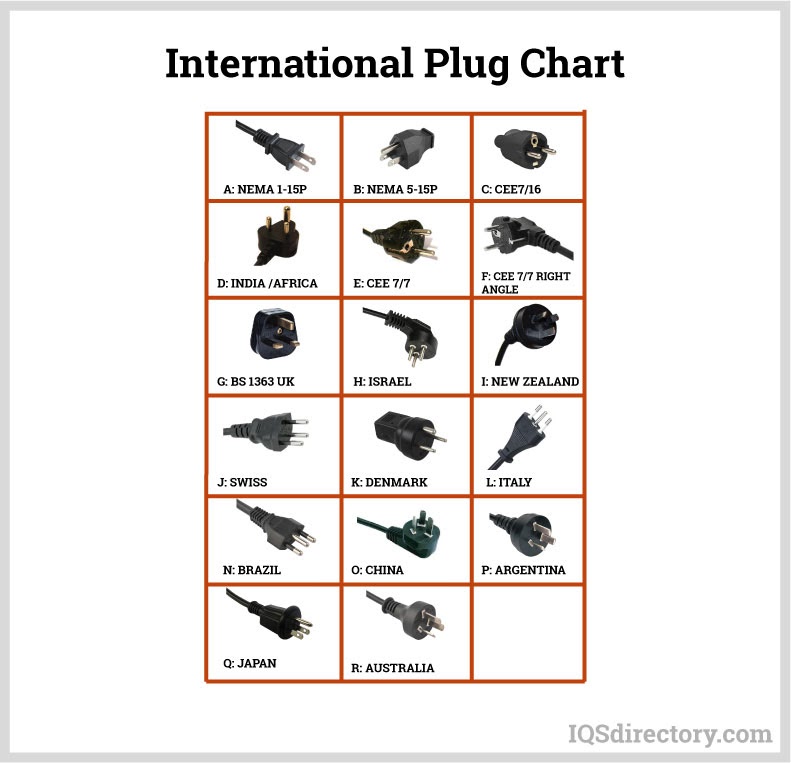
An overly lengthy extension cord might create a tripping hazard. An extension cord should match the type of outlet you have. For example, a three-prong cord necessitates the use of a three-prong outlet. Only use a modifier such as a three-prong-to-two-prong adapter if the grounding tab is connected to the center screw on the outlet.

Types of Extension Cords
The different types of extension cords include:
Indoor Extension Cords
Indoor extension cords come in both grounded and ungrounded varieties, with lengths ranging from 3 to 15 feet (1 to 4.6 meters). Low-wattage sixteen-gauge cords are designed for small products like portable fans, alarm clocks, table lamps, and floor lamps (note: an electronic device such as a TV or computer should be connected to a surge protector). Indoor wires with a gauge of 14 are suited for higher-wattage lighting and appliances. However, indoor cords, regardless of gauge, are not weather resistant and are only intended for indoor usage.
Outdoor Extension Cords
Outdoor extension cables are made of weather-resistant materials and are UL-listed for usage outside. They are also suitable for use indoors. There are two sorts of outdoor cords: general-purpose and all-weather. All-weather cords are the ideal solution for extreme cold because they are designed to remain flexible in sub-zero conditions. They also have an illuminated connection for nighttime visibility.

Contractor Extension Cords
Contractor-grade extension cables are designed for heavy-duty use on the job site. They can withstand high heat and cold and have exceptional abrasion resistance and flexibility. Menards contractor extension cords contain high-visibility jackets and are resistant to oil and chemicals. These extension cords can be used in both the shop and the garage.

How to Choose Extension Cords
- Gauge of Wire Thickness: The wire's thickness influences how much current it can carry and how much it gets heated.
- Extension Power output and load capacity are affected by the length of the extension cord.
A cord's amperage is the amount of power (or amps) it can handle. Extension cables are measured in AWG (American wire gauge). This is a standardized wire gauge system for determining the size of electrical wire. The thinner and higher capacity the cord is, the lower the AWG number. Overheating equipment or outlets can be caused by using the wrong gauge electrical cord. To choose the correct gauge cord for a device, first determine the gauge on the power cord. The cable is usually inscribed with this information. An extension cord at least one grade lower is used once the gauge of the cord is determined for the device. The extension cord will be thicker and able to give appropriate power to the machine if it is one grade lower. In other circumstances, there might be a need to use an even lower gauge.
Benefits of Using Extension Cords
- Delivers electricity in places that are hard to reach: An extension cord is necessary, especially when power is required in inaccessible areas. Although some homes lack adequate electrical outlets, people must use all of their electrical appliances, and electrical cords ensure that power reaches all of these spots. Its capacity to power all gadgets, especially the three-prong extension cable, which completes the loop from the socket to the needed electronic equipment, is a significant advantage.
- Allows Multiple Devices To Be Used: Using numerous electronic devices simultaneously is possible, but it's inconvenient to detach one cord to use the other. With the arrival of extension cords, this is no longer problematic. They have multiple power outlets, allowing the use of multiple electronics at the same time, making them more convenient and simple to use. However, if connecting a high-voltage device, select a high-quality cord to avoid a fire.
Choosing the Proper Extension Cords Manufacturer
To make sure you have the most productive outcome when purchasing Extension Cords from an Extension Cords Supplier, it is important to compare at least 5 or 6 Manufacturers using our list of Extension Cords suppliers. Each Extension Cords Manufacturer has a business profile page that highlights their areas of experience and capabilities and a contact form to directly communicate with the manufacturer for more information or request a quote. Review each Extension Cords business website using our proprietary website previewer to get an idea of what each company specializes in, and then use our simple RFQ form to contact multiple Extension Cords businesses with the same form.